Key Points
- Composite materials for aerospace and defense are increasingly used to reduce weight, improve structural performance and increase operational efficiency.
- Structural adhesives are now fundamental design elements in aerospace structures and defense systems.
- The integration of composite materials and adhesives improves load distribution and the fatigue resistance of joints.
- Controlled bonding and curing processes are essential to ensure reliability in aerospace applications.
- Mascherpa supports companies and designers in selecting technical solutions for composites and structural adhesives, including Huntsman Araldite® systems.
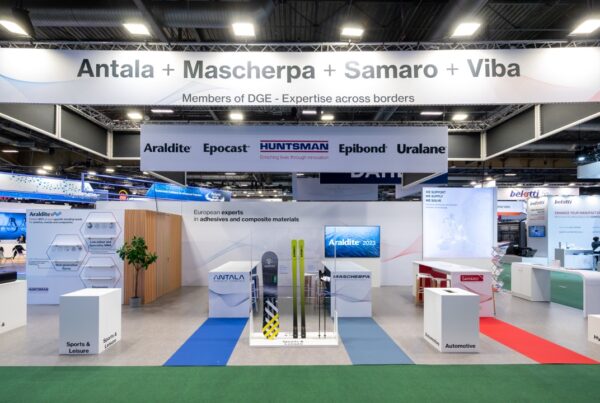
The JEC World 2026 exhibition is currently taking place, the leading international meeting point for innovation in composite materials applied to the aerospace sector and defense. In this context, the integration of composite materials with adhesive solutions such as those from Huntsman Araldite® is becoming established as a key strategy for developing structures that are lighter, stronger, and more efficient.
Index
- The Strategic Value of JEC World for the Aerospace and Defense Sectors
- Composite Materials in Aerospace and Defense Platforms
- Adhesives as Engineering Elements in the Aerospace Sector
- Adhesive-Composite Material Integration in Industrial Processes
- Solutions for Composite Materials in Aerospace and Defense
The Strategic Value of JEC World for the Aerospace and Defense Sectors
JEC World 2026 represents one of the leading international meeting points for developments in the field of composite materials, with particular relevance for the aerospace and defense sectors. In this sector, where weight reduction, improvement of mechanical performance and sustainability are absolute priorities, composite materials are not only consolidating their role as key structural materials, but their integration with structural adhesives is emerging as an essential engineering strategy.
With increasing functional, regulatory, and logistical requirements, the adhesive is no longer simply a joining element. It becomes a fundamental component of structural design, influencing everything from manufacturing processes to maintenance under extreme operating conditions.
Composite Materials in Aerospace and Defense Platforms
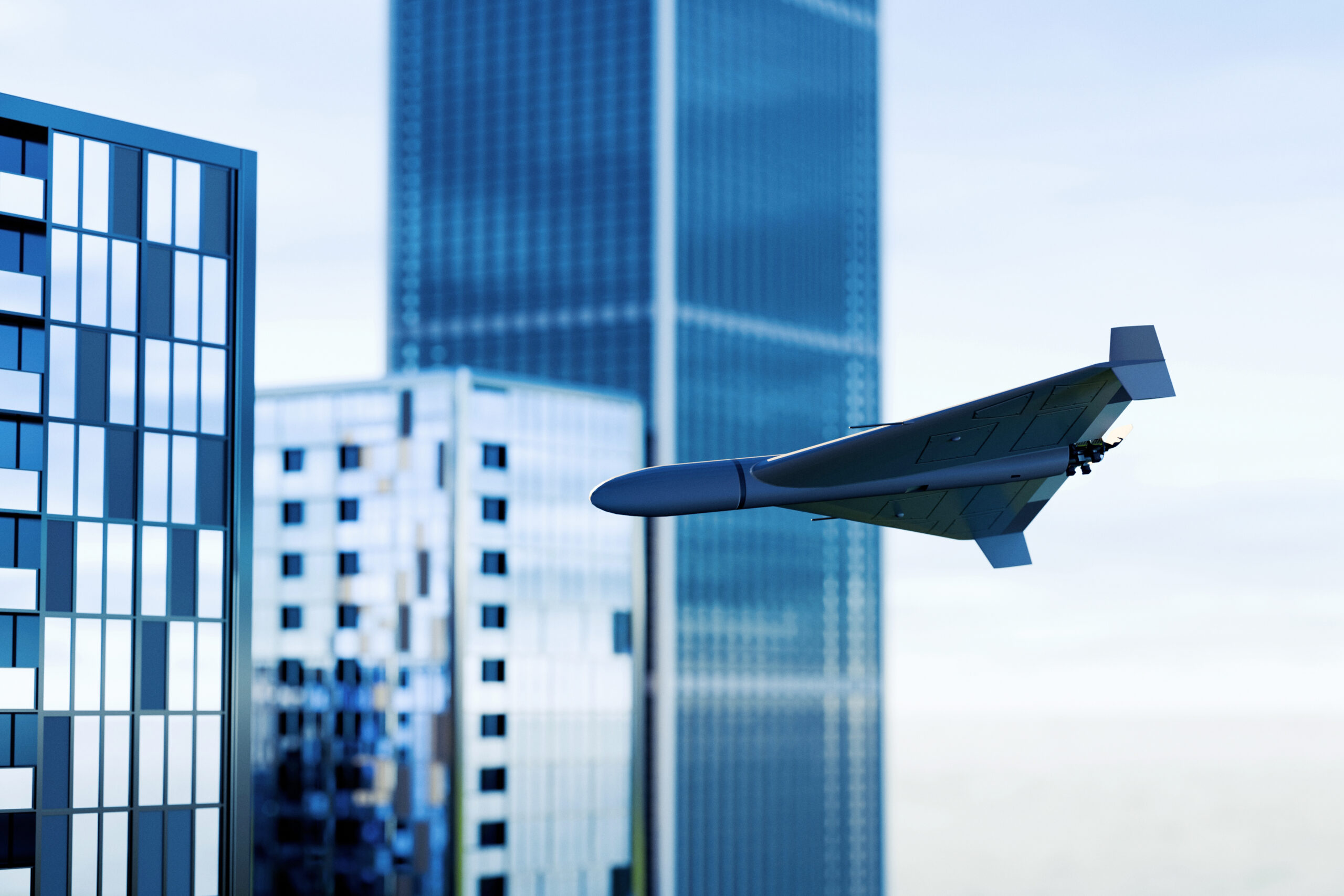
The use of composite materials has evolved from applications in fairings and secondary components to their use in primary structures of aircraft, UAVs, and defense vehicles.
Their strength-to-weight ratio, combined with morphological design flexibility, makes them ideal for achieving aerodynamic efficiency, reduced emissions, and advanced performance.
In defense applications, their use extends to ballistic protection systems, radar-absorbing coatings, and structures adapted to extreme operating environments.
However, certain industrial limitations require careful management: moisture sensitivity during curing, difficulties in non-destructive inspection (NDI/NDT), and stringent certification requirements.

Adhesives as Engineering Elements in the Aerospace Sector
In modern aerospace structures, structural adhesives perform a multifunctional role. In addition to joining dissimilar substrates or complex geometries, adhesives distribute mechanical loads continuously, reducing stress concentrations and improving fatigue resistance.
From a functional standpoint, they also provide:
- Environmental sealing: protection against moisture, chemicals, and operational contaminants.
- Thermal insulation: particularly in transition zones between metal and composite material exposed to thermal gradients.
- Electromagnetic compatibility (EMC): essential in defense systems.
All of this has a direct impact on total system weight, joint durability, and long-term maintainability. In this context, structural epoxy adhesives such as the Huntsman Araldite® range offer high mechanical performance, thermal stability and resistance to aerospace fluids.
Adhesive-Composite Material Integration in Industrial Processes
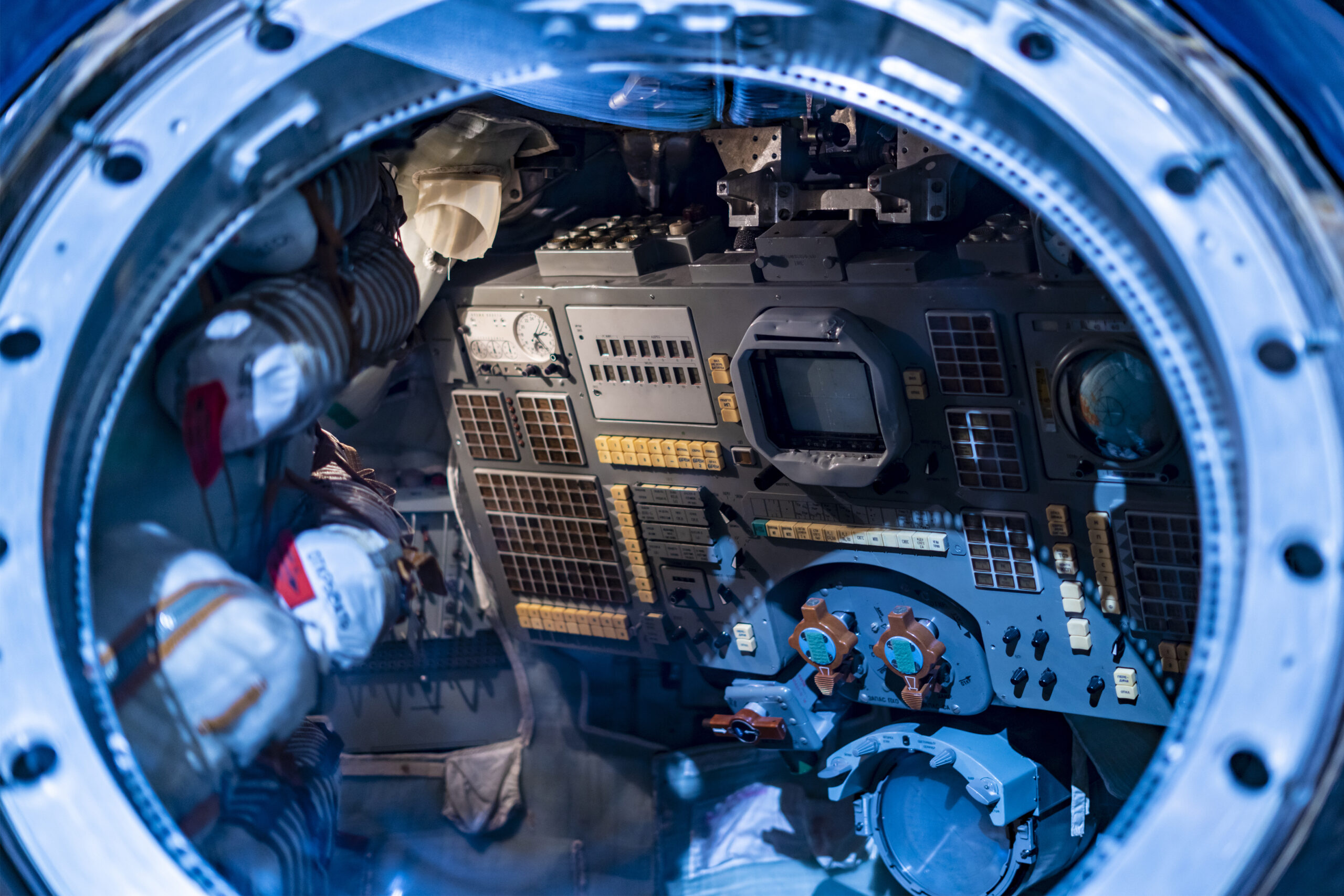
The efficiency and reliability of adhesive bonding in composite materials depends not only on the material itself, but on its proper integration into the industrial process. This includes:
- Controlled surface preparation: cleaning, activation, and repeatable application procedures.
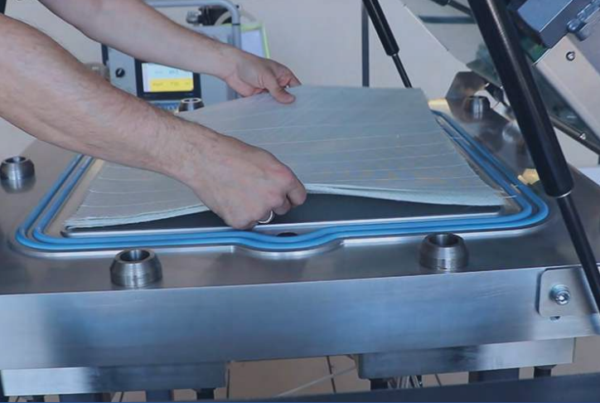
- Traceable curing conditions: control of temperature, pressure, time, and humidity.
- Automated application: use of dispensing robots to ensure consistent bondline thickness and uniform coverage.
In the MRO phase (Maintenance, Repair, and Overhaul), field applicability becomes a fundamental selection criterion, particularly for defense platforms deployed in uncontrolled environments. Structural adhesive solutions must strike a balance between mechanical performance, ease of use, and compatibility with surfaces.
Solutions for Composite Materials in Aerospace and Defense
Applications in composite materials for aerospace and defense require reliable materials, high structural performance, and compliance with stringent technical and regulatory standards.
In this context, Mascherpa supports companies and designers in selecting the most suitable solutions, providing technical expertise and high-performance materials for composite applications. These include epoxy systems Huntsman Araldite®, widely used in the aerospace and defense sectors.
To explore technical solutions in greater detail, contact Mascherpa experts or download the technical guide dedicated to aerospace applications in composite materials.