Product type for industrial lubricants

Compound
Compounds are grease-like materials composed of a silicone fluid thickened with amorphous silica. Compounds, also called composites, can be used to lubricate the moving parts of a machine or equipment in a wide range of applications, including the automotive, aerospace, railroad and agricultural industries.
Introduction
In general, the use of compounds can improve the performance of machines and extend their service life. In some cases, the use of a compound lubricant can also help reduce maintenance costs and improve machine efficiency.
The working principle of compounds is to create a physical barrier between moving surfaces, thereby reducing friction and wear. The film formed by compound lubricants acts as a buffer between the surfaces, preventing direct contact between them and thus preventing wear and tear.
For high temperature and antioxidant
- The compound lubricant maintains properties over a wide temperature range while also allowing heat generated by friction to dissipate, further reducing the possibility of excessive wear.
Finally, they are resistant to oxidation; in fact, they may contain additives that further enhance lubricating properties, such as anti-oxidants, anti-friction and anti-wear.
In summary, the advantages of compounds include:
- Improving the performance of machines, compounds can reduce friction and wear, also extending their service life.
- Reduced maintenance costs by using appropriate compound lubricants, moving parts wear out less quickly.
- Improving efficiency, compound lubricants can dissipate heat generated by friction, improving machine efficiency.
- Protection against extreme conditions, compounds can be formulated to withstand high temperatures, extreme pressures and water, thus protecting moving parts from damage.
Products
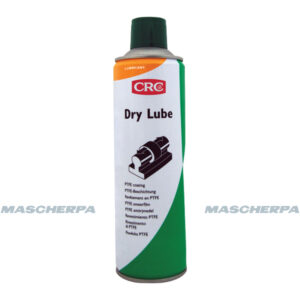
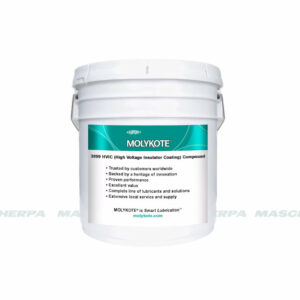
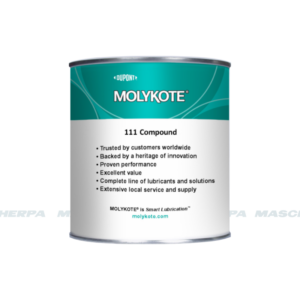


All products Compound
Filter products by their attributes: brand, technology, applications…
Reference categories for Compound
Continue browsing the Mascherpa site
Applications
Gaskets and O-rings
Gaskets and O-rings
Control cables
Control cables
Electrical contacts
Electrical contacts
Valves and fittings
Valves and fittings
Plastic gears
Plastic gears

Technology
Silicone
Silicone

Latest articles on the Compound
Sign up for newsletter to receive upcoming articles
Molykote valve lubricants: products and recommendations
Molykote valve lubricants: products and recommendations
Lubricants for high-voltage HV connectors in electric vehicles
Lubricants for high-voltage HV connectors in electric vehicles

CASE STUDY: Molykote 111 in water desalination processes.
CASE STUDY: Molykote 111 in water desalination processes.

Molykote Silicone Lubricants
Molykote Silicone Lubricants
Read PDFs on the Compound
- There are no PDFs yet for: Compound, ask the expert if you need an SDS or Data Sheet
Industries
Select your product starting with the relevant industry.

Ask the expert