Product Type for Electronics

Thermally conductive materials electronics

Learn about all Mascherpa’s solutions of thermally conductive materials for the thermal interface of an electronic circuits.

Why do I need a thermal interface material.

Electronic devices create heat, this heat slows down the speed of the device and over time will degrade the component, thus affecting its performance.

With greater miniaturization of systems and higher circuit density, current electronics generate large amounts of heat. This trend, will continue to require the removal of this excess energy, which will be even more critical for future applications. If the heat is not absorbed and dissipated, the life and reliability of the electronics will be reduced.

Heat is transferred from a component to its surroundings. The rate of heat loss will increase with the surface area of the component; a small device producing 10 watts will reach a higher temperature than a device of similar power with a larger surface area.

Heatsinks

  • Heat sinks can be designed to offer greatly increased surface area to maximize heat dissipation, but nevertheless in order to ensure full contact between the heat sink and the component, only through thermal interface materials will the maximum degree of thermal dissipation be achieved.

Purpose of thermally conductive materials

  • Metal surfaces, even when thoroughly polished, always show some roughness. Therefore, it can be inferred that when two metal surfaces, such as those between the heat sink and the component are placed together, there will always be small air spaces between the two surfaces.
  • Thermal interface materials are used in such gaps to fill the air spaces and ensure complete contact between the two surfaces, improving the efficiency of heat transfer.

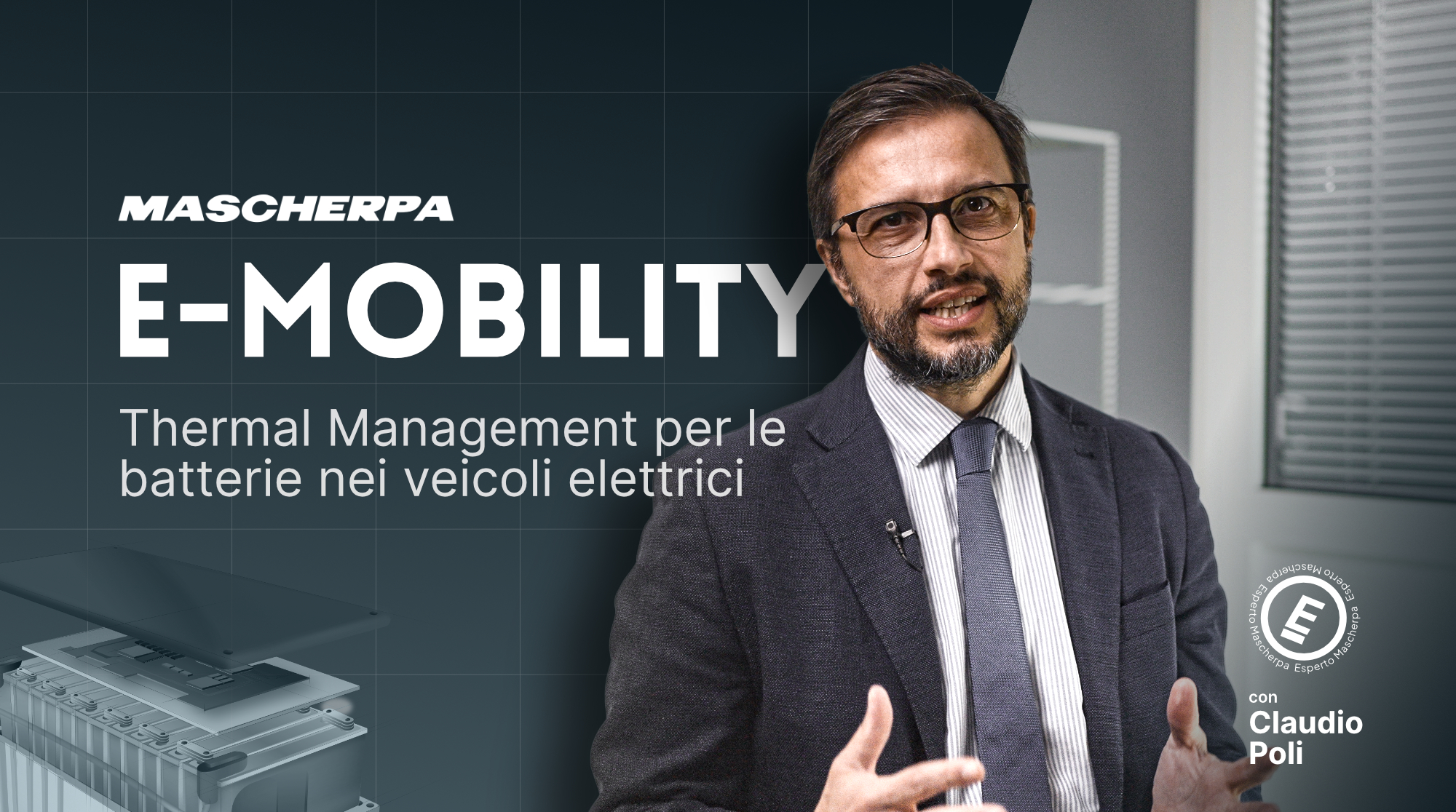
E-Mobility – Thermal Management for Batteries in Electric Vehicles

Battery Thermal Management – Watch the video

Products

    • Mixing ratio mixture 1:1
    • Thermally conductive silicone
    • Platinum curing system
    • Polymerization at room temperature
    • Provides long-term stability
    • Polymerizes without exothermia
    • Thixotropic, non-sagging
    • Resistant to ozone and ultraviolet degradation
    • Provides high cooling performance
    • Mixing ratio mixture 1:1
    • Thermally conductive silicone
    • Platinum curing system
    • Polymerization at room temperature
    • Provides long-term stability
    • Polymerizes without exothermia
    • Thixotropic, non-sagging
    • Resistant to ozone and ultraviolet degradation
    • Provides high cooling performance
    • Two-component 1:1 optical silicone
    • Molding resin for optical applications
    • High light transmittance
    • Low chromatic dispersion
    • UV and heat resistant
    • High surface detail replication
    • High Shore A
    • Fast heat curing
    • High electrical conductivity (silver-based filler)
    • Electromagnetic shielding (EMC) over a wide frequency range
    • High elongation for stress relief (>20%)
    • Non-slump adhesive (non-flowable)
    • UV traceability for inspection
    • Good adhesion on various substrates
    • Solvent-free formulation
    • Low viscosity, spray applicable
    • Fast UV cure with secondary moisture cure
    • Solvent-free
    • UV indicator for inspection
    • Good adhesion to PCB materials
    • Reduced oxygen inhibition
    • Medium viscosity
    • Abrasion-resistant elastoplastic surface
    • Solvent-based coating
    • High solid content
    • UV indicator for inspection
    • Room temperature vulcanization (RTV)
    • Good adhesion on rigid and flexible PCBs
    • One-part dielectric gel
    • Transparent
    • Hot polymerization
    • Low viscosity
    • Very soft gel
    • Suitable for PCB potting and electronic component protection
    • Electrical insulation and environmental protection
    • Extended temperature range (-60°C / +200°C)
    • No mixing required
    • Polymerization at room temperature
    • Good adhesion on various substrates
    • Fast tack-free time
    • Elastomeric material with high elongation
    • Suitable for bonding, sealing and thermal dissipation
    • Good mechanical strength
    • Non-curing
    • High thermal conductivity
    • Low thermal resistance
    • Solvent-free formulation
    • Thixotropic - low flowability
    • Applicable via screen printing, stencil or dispensing
    • Ability to achieve thin thicknesses
    • Non-curing
    • High thermal conductivity
    • Stable on vertical surfaces
    • Gap filling capacity up to 1.0 mm
    • Thermally conductive silicone material
    • Low thermal resistance and good high-temperature stability
    • Low density
    • Room temperature or heat-accelerated polymerization
    • Non-sagging, stable even on vertical surfaces
    • Soft and deformable material with stress relief function
    • Slightly tacky surface after curing
    • No exotherm during curing
    • No exotherm during curing
    • Room temperature or heat-accelerated polymerization
    • High stability during thermal cycles up to 150°C (peak 175°C)
    • Maintains vertical position
    • Controlled low silicone volatility
    • Soft and elastomeric material after polymerization
    • Provides excellent electromagnetic shielding
    • Ideal for wood and drywall
    • Ideal for musical instruments
    • Non-flammable and without harmful odors
    • Low VOC content
    • Provides excellent EMI/RFI shielding over a wide frequency range
    • Non-flammable and without harmful odors
    • Shipping as non-DG by air
    • Low VOC content
    • Provides effective EMF shielding
    • Ideal for wood and drywall
    • Ideal for shielding the cavities of electric guitars
    • Non-flammable and without harmful odors
    • Low VOC content
    • Upper EMI shielding
    • Polymerization at room temperature and high
    • Excellent chemical and corrosion resistance
    • Stable under extreme environmental conditions (100 hours at 150˚C, 100 hours at 85˚C/85% RH)
    • Resists wave soldering
    • Without MEK and HAPS
    • Good conductivity
    • Provides good RFI shielding
    • Extreme durability and grip
    • Strong resistance to solvents
    • Excellent corrosion and salt spray resistance
    • Provides superior EMI shielding
    • Excellent adhesion to plastics
    • Minimum height of thin layer
    • Strong corrosion resistance
    • Gentle solvent system, safe on polystyrenes
    • HAP-free: does not contain toluene, xylene or MEK
    • UL Recognized (File No. E202609)
    • Provides effective EMI/RFI shielding over a wide range of frequencies
    • Strong corrosion resistance
    • Gentle and safe solvent system on polystyrenes
    • HAP free-does not contain toluene, xylene, or MEK
    • Available in aerosol format
    • Provides >52 dB RFI shielding at frequencies <1 MHz
    • Excellent adhesion to plastics
    • Strong corrosion resistance
    • Gentle solvent system, safe on polystyrenes
    • HAP-free: does not contain toluene or xylene
    • Low outgassing approved by NASA
    • Extreme electrical conductivity
    • Convenient 1-to-1 mixing ratio
    • Working time: 4 hours
    • Cure time: 2 hours at 65 °C (149 °F) or 30 minutes at 100 °C (212 °F)
    • Creates strong permanent electrical connections
    • Excellent adhesion to many substrates
    • Storage at room temperature
    • Long shelf life
    • Strong resistance to moisture, salt water, light bases and aliphatic hydrocarbons
    • Low outgassing approved by NASA
    • High electrical conductivity
    • Convenient 1-to-1 mixing ratio
    • Working time: 4 hours
    • Cure time: 2 hours at 65 °C (149 °F) or 30 minutes at 100 °C (212 °F)
    • Creates strong permanent electrical connections
    • Excellent adhesion to many substrates
    • Storage at room temperature
    • Long shelf life
    • Strong resistance to moisture, salt water, light bases and aliphatic hydrocarbons
    • Extreme electrical conductivity
    • Convenient 1-to-1 mixing ratio
    • Processing time: 20 minutes
    • Cure time: 6 hours at room temperature or 10 minutes at 65 °C (149 °F)
    • Creates strong permanent electrical connections
    • Polymerization at room temperature
    • Without SVHC
    • Excellent adhesion to many substratesStorage at room temperature
    • Long shelf life
    • Strong resistance to moisture, salt water, light bases and aliphatic hydrocarbons
    • High electrical conductivity
    • Convenient 1-to-1 mixing ratio
    • Processing time: 20 minutes
    • Cure time: 6 hours at room temperature or 10 minutes at 65 °C (149 °F)
    • Creates strong permanent electrical connections
    • Polymerization at room temperature
    • Without SVHC
    • Excellent adhesion to many substrates
    • Storage at room temperature
    • Long shelf life
    • Strong resistance to moisture, salt water, light bases and aliphatic hydrocarbons

All products for the Thermally conductive materials

Filter products by their attributes: brand, technology, applications…

Discover

Reference categories for the Thermally conductive materials

Continue browsing the Mascherpa site

Latest articles on the Thermally conductive materials

Sign up for newsletter to receive upcoming articles

Stand condiviso Mascherpa-Cabiotec a Focus On PCB 2026”
Mascherpa at Focus on PCB 2026: The Best of the Show

Mascherpa at Focus on PCB 2026: The Best of the Show
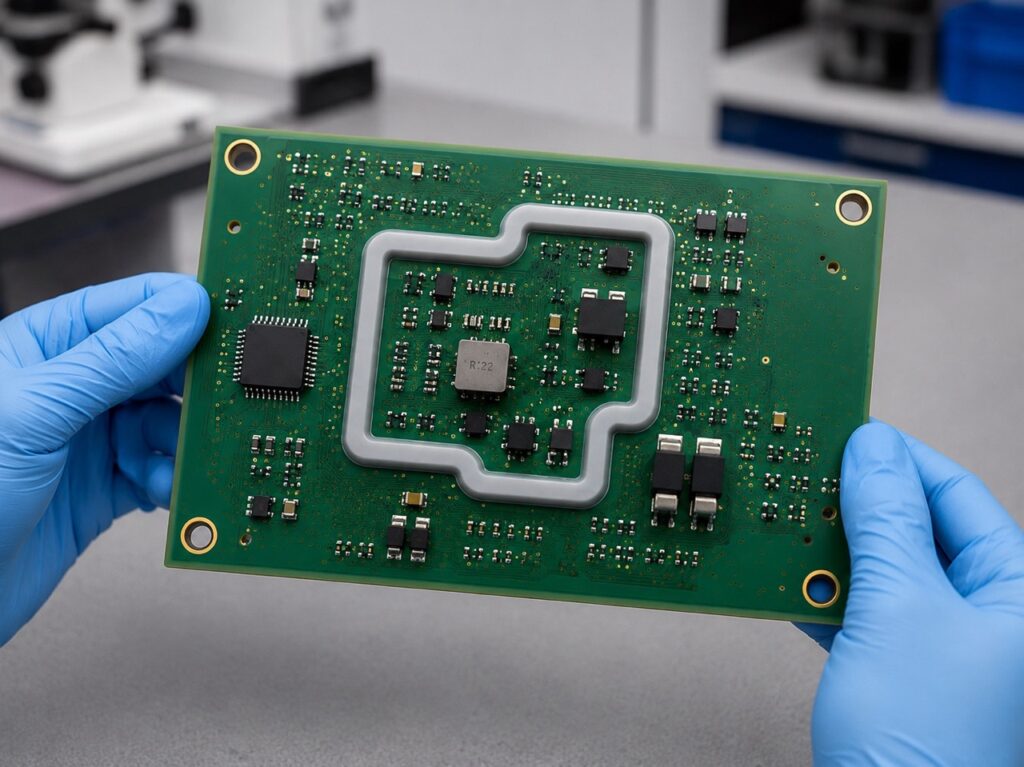
RTV Silicone: Technical Guide to Applications and Advantages

RTV Silicone: Technical Guide to Applications and Advantages
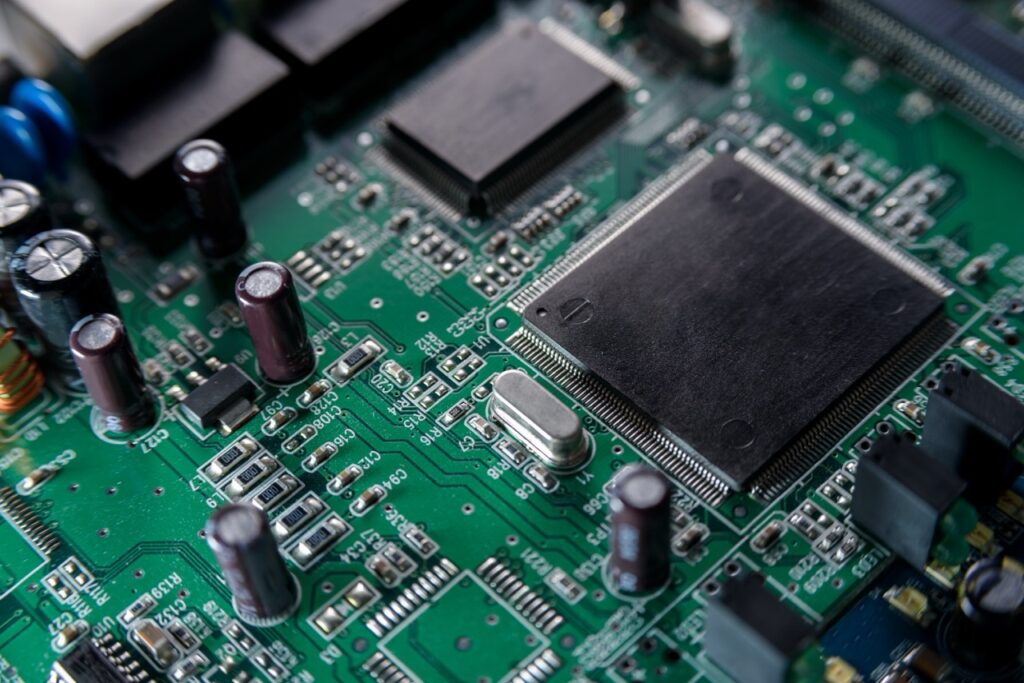
gestione termica
Guide to Silicone Products for Thermal Management

Guide to Silicone Products for Thermal Management

focus on pcb
Mascherpa at Focus on PCB 2026: Silicones and Low Pressure Molding for PCBs

Mascherpa at Focus on PCB 2026: Silicones and Low Pressure Molding for PCBs
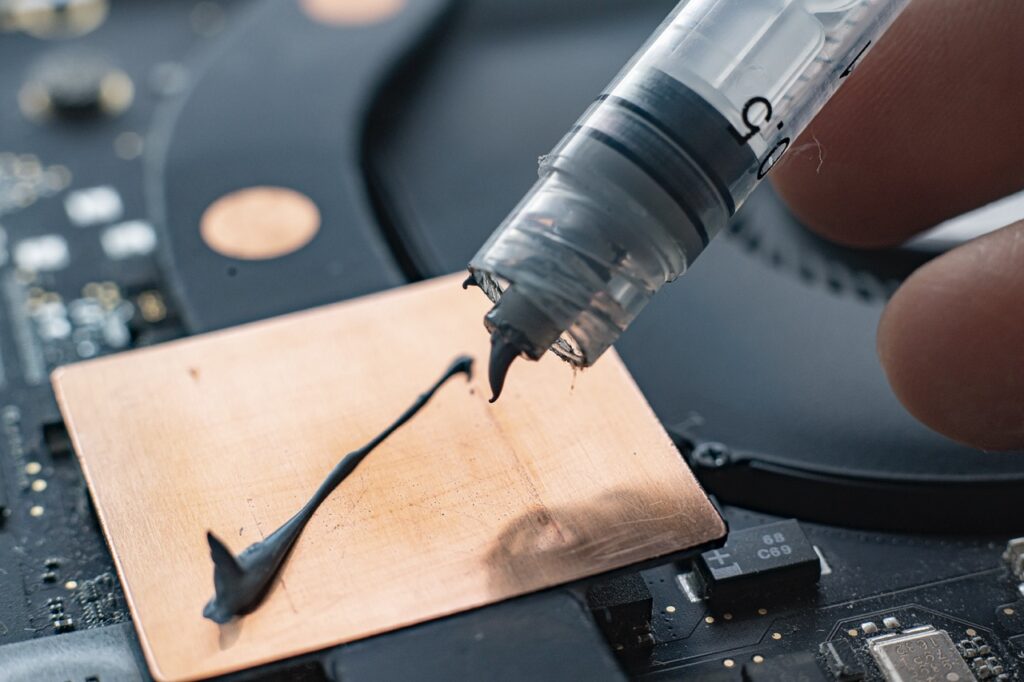
Electrically Conductive Epoxy Paint and Adhesives: Various Applications

Electrically Conductive Epoxy Paint and Adhesives: Various Applications
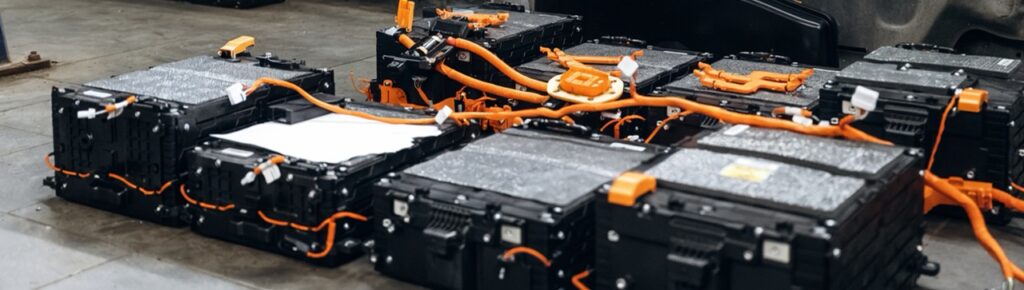
Thermal management: thermal management in electric vehicle batteries

Thermal management: thermal management in electric vehicle batteries
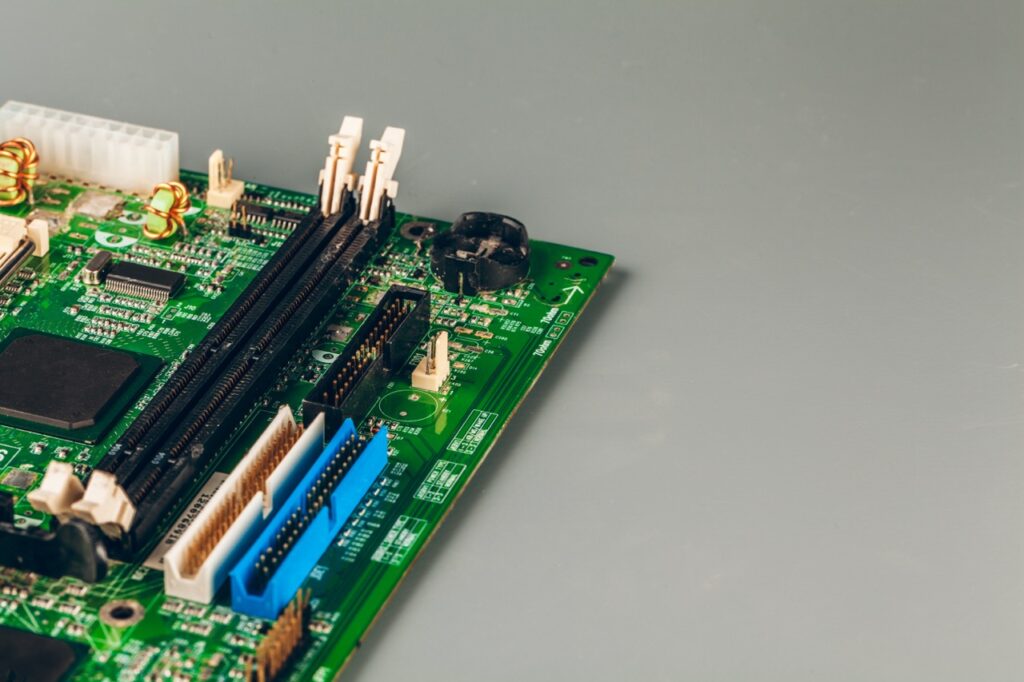
Incapsulanti Termoconduttivi: Guida per Gestione Termica
Thermally Conductive Encapsulants: Thermal Management Guide

Thermally Conductive Encapsulants: Thermal Management Guide

PDF

Read PDFs on the Thermally conductive materials

  • There are no PDFs yet for: Thermally conductive materials, ask the expert if you need an SDS or Data Sheet

Industries

Select your product starting with the relevant industry.

Continued

Ask the expert

[activecampaign]

Do you need support?

Ask the expert