Key points about silicone gaskets
- Silicone gaskets protect components from fluids, moisture, dust, and weathering.
- FIPFG technology allows the silicone gasket to be created directly on the part.
- Integrated silicone gaskets can replace preformed, die-cut gaskets, O-rings, and cords.
- Automated application reduces part numbers, stock, manual operations, and production times.
- Silicone offers flexibility and stability across a wide thermal range.
The silicone gaskets are used to create a seal between the components e protect them from the penetration of fluids, humidity, dust e dirt. The Silicone’s flexibility, resistance to weathering, and stability under varying operating conditions allow its use in numerous industrial applications.
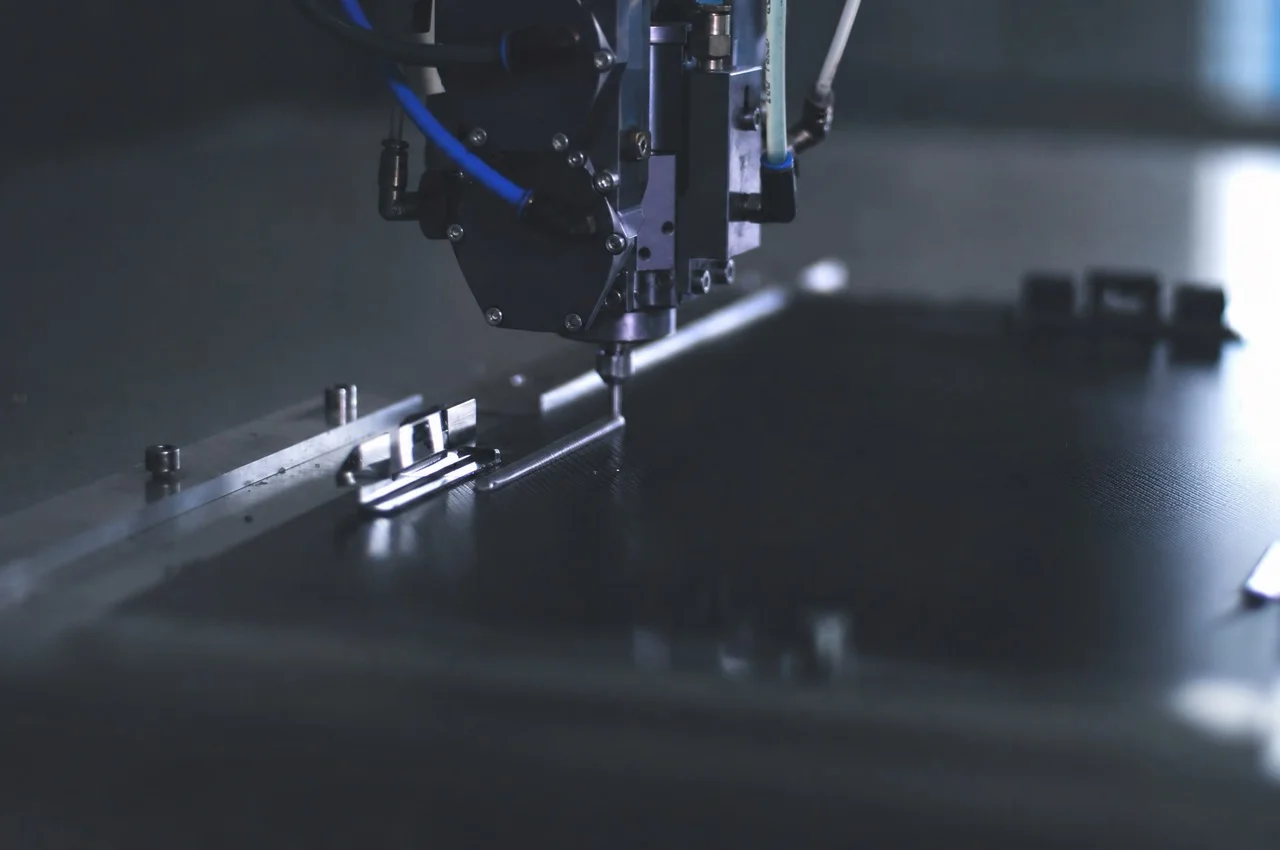
In the world of manufacturing, however, a silicone gasket does not necessarily have to be made separately and assembled later. Through FIPFG technology, it is possible to produce custom silicone gaskets directly on the component, following the perimeter and geometry of the part.
The material is mixed and dispensed automatically. After curing, it forms a foam gasket that remains bonded to the substrate, becoming an integral part of the component and facilitating subsequent assembly and maintenance operations.

Index
- What are silicone gaskets
- What are silicone gaskets used for
- Integrated silicone gaskets and preformed gaskets
- Application of FIPFG gaskets in grooves or on flat surfaces
- Integrated vs. preformed silicone gaskets
- What is FIPFG technology and how it works
- The advantages of custom silicone gaskets
- Properties of silicone gaskets
- DOWSIL™ 3-8259 RF for FIPFG silicone gaskets
- Industrial applications of silicone gaskets
- Design and application of silicone gaskets
- Frequently asked questions about silicone gaskets
- Silicone gaskets designed for the component
What are silicone gaskets
Silicone gaskets are sealing elements used between surfaces and components that must be protected from the ingress of external substances or contaminants.
Once positioned or formed in its seat, the silicone gasket is compressed between the surfaces and helps to close the gaps present between the components.
The use of silicone for gaskets allows for flexible solutions, also suitable for surfaces that are not perfectly smooth and for applications where environmental conditions or temperature can vary significantly.
Silicone gaskets can also perform functions of:
- insulation;
- vibration damping;
- protection from dust and dirt;
- protection from fluids and moisture;
- compensation of tolerances between surfaces.
What are silicone gaskets used for
The main function of a silicone gasket is to create a barrier between two surfaces.
In an industrial context, this barrier may be necessary to prevent the penetration of:
- water and moisture;
- dust;
- dirt;
- fluids;
- weathering agents.
The required characteristics change depending on the industry, the component, the operating environment, and the production process.
In a lighting fixture, for example, the silicone gasket can seal the space between the body and the diffuser. In an electrical cabinet, it must contribute to the protection of the contents and compensate for tolerances. In automotive, it can be used on modules, covers, control units, and other components.
The silicone gasket should therefore not only be selected based on shape, but the conditions in which it will work, the substrate material, and the assembly method must also be considered.
Integrated silicone gaskets and preformed gaskets
In the industrial sector, the most relevant comparison is between preformed gaskets and integrated silicone gaskets. Both can perform a sealing function, but they are produced and managed differently.
Preformed gaskets
Preformed gaskets are produced separately from the component on which they will be mounted.
This category can include:
- die-cut gaskets;
- O-rings;
- rubber cords;
- gaskets made in defined shapes and sizes.
A preformed gasket must be identified, procured, stored, and positioned during the assembly phase.
When a company manages many different components, this can lead to the presence of numerous part numbers in stock, each linked to a specific geometry or size.
Integrated silicone seals
Integrated silicone gaskets are instead made directly on the component.
The material is dispensed along a programmed path and forms the gasket in the seat where it will work. After curing, it remains bonded to the substrate. The gasket therefore does not need to be handled or positioned as a separate element during subsequent phases.
This method allows the gasketing process to be integrated into the production of the component.
Application of FIPFG gaskets in grooves or on flat surfaces
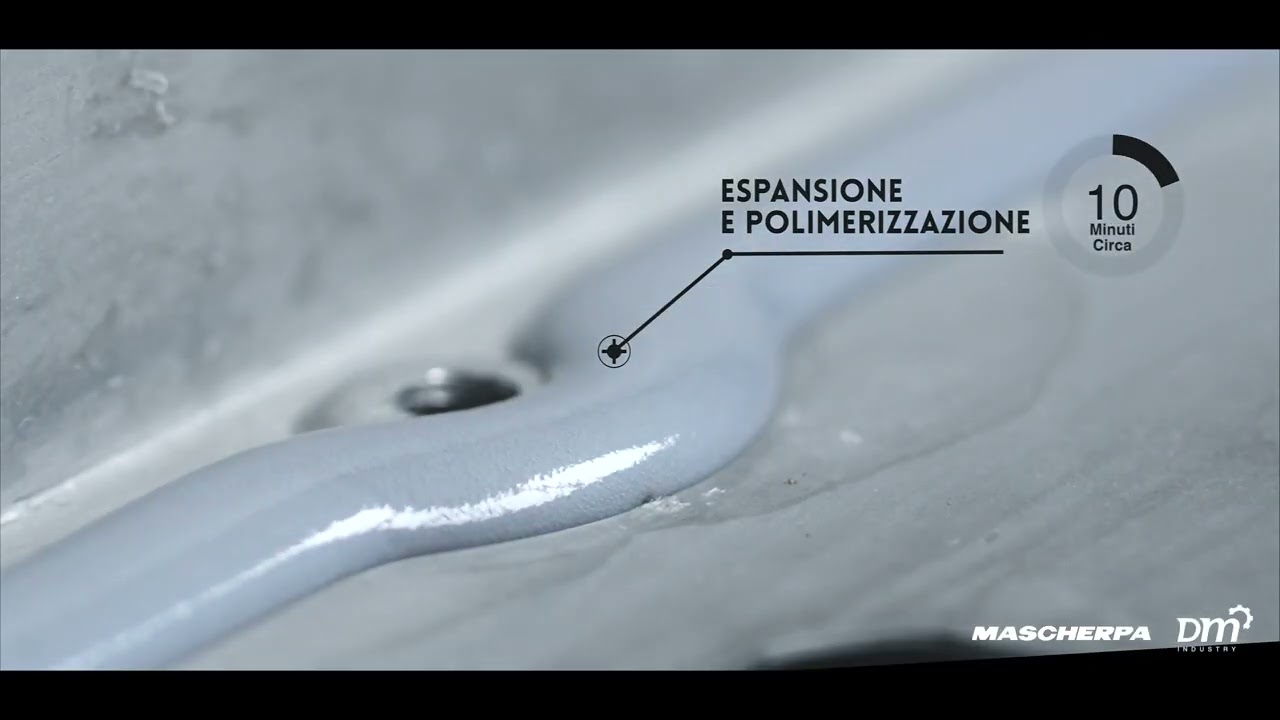
FIPFG gaskets are normally applied inside a groove. The increase in volume during curing promotes the integration of the gasket on the component, reducing the risk of it being lost during subsequent phases.
When it is necessary to create the gasket on a flat surface, suitable adhesion promoters can be used.
Integrated vs. preformed silicone gaskets
Integrated technology does not automatically replace any preformed gasket. The solution must be designed and verified based on the component and application requirements.
| Aspect | Preformed gaskets | Integrated silicone gaskets |
| Production | Separate from the component | Directly on the component |
| Assembly | Positioned during assembly | Already present on the part |
| Warehouse | Require management of part numbers and stock | Can reduce the need for dedicated stock |
| Application | Manual or via assembly systems | Automated along a programmed path |
| Geometry | Defined by the available gasket | Designed based on the component |
| Tolerances | Depend on the shape of the preformed element | Manageable by modulating path and thickness |
| Handling | Separate element | Bonded to the substrate |
| Maintenance | The gasket must be managed separately | Permanence on the component facilitates operations |
What is FIPFG technology and how it works
FIPFG stands for Formed-in-Place Foam Gasket, i.e., silicone gasket formed directly in place.
The process involves:
- automatic mixing of the material,
- dispensing it on the component,
- subsequent curing.
Mixing of components
The components of the silicone material are metered and mixed using a dedicated system. Correct mixing allows for the material that will be applied along the perimeter to be sealed.
Dispensing the silicone gasket
The material is automatically deposited on the surface following the programmed path. The trajectory can be defined based on the component shape, gasket dimensions, and the area that must be protected.
Machine programming allows for different geometries to be created without having to have a preformed gasket for each individual configuration.
Expansion and curing
After application, the material expands and cures at room temperature. L’increase in volume leads to the formation of the foam structure that will perform the gasket function.
Integration on the component
Once curing is complete, the silicone gasket remains bonded to the substrate. This reduces the risk of it being lost or displaced during handling and makes the component ready for subsequent assembly phases.
The advantages of custom silicone gaskets
Custom silicone gaskets do not just offer a sealing solution. They can change the way the gasket is designed, produced, and managed within the industrial cycle.
Reduction of part numbers and stock
Managing numerous preformed silicone gaskets requires the presence of different part numbers, each associated with a specific shape or size.
Direct production on the component can reduce:
- number of part numbers to manage;
- dedicated stock;
- procurement activities.
The geometry is managed through the programming of the dispensing system rather than through the availability of an already formed element.
Process automation
The robotic application allows for the integration of gasket production within the industrial process.
Compared to a manual application, this allows to:
- reduce the time required for positioning;
- make the process repeatable;
- limit manual activities;
- link gasketing to other production phases;
- improve overall efficiency.
The silicone gasket is produced directly for the component on which it will be used.
Design freedom
One of the main advantages of integrated silicone gaskets is the possibility of creating different shapes and sizes.
The designer can define the component geometry without having to subsequently identify a compatible preformed gasket.
This freedom is particularly useful in the presence of:
- inclined surfaces;
- applications where a traditional gasket would be difficult to mount.
The technology is therefore also used in sectors such as automotive and lighting, where the shape of the component may require specific sealing paths.
Tolerance compensation
The possibility of depositing the material directly on the part allows for modulating the path and thickness of the gasket.
This can help manage small differences between the design and the molded component.
Tolerance compensation is particularly important in applications where small differences between the designed and molded component must be managed.
Ease of assembly
The silicone gasket remains bonded to the substrate and does not have to be positioned separately during assembly.
This simplifies:
- handling of components;
- assembly;
- maintenance operations.
The gasket becomes an integral part of the piece rather than an additional component to be handled.
Seal designed for the component
An integrated gasket is not simply adapted to a surface. It is made to follow that specific component. The path can be designed to contribute to protection from the penetration of fluids, moisture, dust, and dirt.
This makes it possible to define the sealing system based on the actual geometry of the part and the application requirements.


Properties of silicone gaskets
Silicone is used for the production of industrial gaskets thanks to the combination of flexibility, stability, and resistance to environmental conditions.
Silicone gaskets are especially suitable when the sealing surface is not completely smooth or when the temperature varies during operation.
Low compression set
Compression set expresses the ability of the material to recover its shape after being subjected to compression.
A low compression set helps the gasket maintain its characteristics during use. In silicone gaskets, this property is maintained even at high service temperatures, contributing to the durability of the seal.
Stability over a wide temperature range
Silicone gaskets maintain stability and flexibility over a wide thermal range. This characteristic is important in applications subjected to:
- temperature variations;
- exposure to external conditions.
A high-temperature silicone gasket must continue to maintain elasticity and sealing capacity under the conditions specified by the design. The solution must therefore be selected considering the component and the working environment.
Weathering resistance
Silicone has high resistance to prolonged exposure to weathering agents. The Silicone gaskets can maintain elasticity and seal even when exposed to:
- humidity;
- bad weather;
- radiation;
- ultraviolet rays;
- variable external conditions.
Behavior must be evaluated considering the substances actually present, operating conditions, and duration of exposure.
Chemical resistance
Silicone foams exhibit resistance to aggressive chemicals.
The behavior of the gasket must still be evaluated considering the substances actually present in the application, operating conditions, and duration of exposure.
Insulation and vibration damping
Silicone gaskets can be used not only for sealing, but also for:
- thermal insulation;
- acoustic insulation;
- electrical insulation;
- vibration damping.
These properties expand their use in industrial components where protection, insulation, and stability must be achieved through a single solution.
Insulation and vibration damping
Silicone gaskets can be used not only for sealing, but also for:
- thermal insulation;
- acoustic insulation;
- electrical insulation;
- vibration damping.
These properties expand their use in industrial components where protection, insulation, and stability must be achieved through a single solution.
DOWSIL™ 3-8259 RF for FIPFG silicone gaskets
DOWSIL™ 3-8259 RF is a two-component silicone foam with medium hardness and reduced flow, developed for creating FIPFG gaskets directly on the component. It is suitable for industrial assembly and maintenance applications, particularly in the automotive sector.
The main features are:
- Shore 50 hardness, suitable for component compression and sealing.
- 1:1 mixing ratio, which simplifies the automatic dosing of the two components.
- Fast curing at room temperature, with the formation of the expanded elastomer in about ten minutes.
- Reduced flow, which promotes dispensing even on inclined surfaces.
- Fine cellular structure, which allows the gasket to remain integrated and bonded to the substrate.
- Low compression set, chemical and weathering resistance, thermal stability, and flexibility under different operating conditions.
These properties allow the production of the gasket to be integrated directly into the assembly cycle, maintaining elasticity and sealing capacity over time.

Industrial applications of silicone gaskets
The requirements of a gasket change depending on the industry and the product on which it is applied. FIPFG silicone gaskets can be used in various B2B sectors.
Automotive
In the automotive sector, sealing systems must meet high technical requirements and integrate into rapid production cycles.
Applications include:
- door modules;
- speakers;
- fuse boxes;
- battery covers;
- tail lights;
- brake lights;
- control units;
- under-hood components.
Automated application and fast curing are compatible with industrial processes characterized by short cycle times.
E-mobility
In e-mobility, the battery and motor must be protected from external influences such as dust and moisture. The Silicone gaskets can contribute to the protection of covers, housings, and components connected to electrical systems.
The stability of silicone and the possibility of creating custom geometries allow for addressing different design configurations.
Home appliances
The household appliances sector is characterized by:
- high production volumes;
- automated processes;
- fast cycle times;
- cost focus;
- consistent quality requirements.
Integrated silicone gaskets can be applied directly to the component and included in the production cycle without requiring the separate assembly of a preformed element.
The seal contributes to the functionality and safety of the appliance over time.
Lighting
In lighting, silicone gaskets protect lighting components from dust, dirt, and liquids.
The gasket is applied to the body of the fixture and seals the gap between the housing and the diffuser.
Applications may include:
- industrial fixtures;
- outdoor fixtures;
- devices exposed to moisture;
- systems that must be able to be reopened;
- fixtures intended for harsh environments.
Design freedom is particularly useful when the lighting body features shapes that are difficult to manage with preformed gaskets.
Industrial electronics
In the electronics sector, silicone gaskets help protect control units, housings, and components from the penetration of dust, moisture, dirt, and other external agents.
The ability to apply the silicone gasket directly to the component allows for following different geometries, compensating for tolerances, and integrating the sealing into the production cycle.
FIPFG solutions can be used on stainless steel, aluminum, powder-coated surfaces, glass, and plastic substrates, promoting:
- seal quality and continuity;
- aging resistance;
- low assembly forces;
- adhesion to different materials;
- component protection over time.
This formulation remains consistent with the sources and expands the semantic field without introducing undocumented electronic applications.
Design and application of silicone gaskets
The creation of an integrated gasket requires the evaluation of the component, geometry, and production process.
Mascherpa, together with DM Industry, supports companies in the design and application of gaskets directly onto components.
The service includes:
- the design for the replacement of preformed gaskets;
- the verification of the proposed solution through the creation of prototypes;
- the automated application of gaskets directly onto components;
- the improvement of production cycles, reducing warehouse management, manual operations, application times, and assembly-related inefficiencies.
Frequently asked questions about silicone gaskets
What does gasketing mean?
The term gasketing refers to the process of creating or applying a gasket.
In the case of FIPFG technology, gasketing occurs by mixing and dispensing the material directly onto the component.
What is the difference between an integrated silicone gasket and a preformed one?
The preformed gasket is produced separately and mounted on the component. The integrated gasket is created directly on the substrate and, after curing, remains integral with the part.
What systems can a FIPFG gasket replace?
The technology can represent an alternative to:
- die-cut gaskets;
- preformed gaskets;
- O-rings;
- rubber cords;
- other separate sealing systems.
The possibility of replacement must be verified based on the individual application.
Why choose custom silicone gaskets?
Custom silicone gaskets allow for following the component’s geometry, creating different shapes, compensating for small tolerances, and integrating gasket production into the industrial process.
Is a FIPFG gasket adhesive?
The FIPFG gasket is not applied as a preformed adhesive element.
The material is dispensed directly onto the surface and cures on the substrate. For application on flat surfaces, adhesion promoters may be used.
Do silicone gaskets resist high temperatures?
Silicone gaskets maintain stability and flexibility over a wide thermal range. The suitability of the solution must be evaluated considering the operating temperature, duration of exposure, and component conditions.
Are silicone gaskets UV resistant?
Silicone foams exhibit high resistance to atmospheric agents and ultraviolet rays. This property favors their use in outdoor applications or those exposed to the elements.
In which sectors are silicone gaskets used?
Main applications include automotive, e-mobility, household appliances, lighting, and electrical cabinets.
Silicone gaskets designed for the component
Silicone gaskets represent a versatile solution for the sealing and protection of industrial components.
The flexibility of silicone, low compression set, resistance to atmospheric agents, and stability under different thermal conditions allow for its use in numerous sectors.
When created directly on the component using FIPFG technology, the gaskets become an integral part of the manufactured part. This allows for reducing the management of preformed gaskets, automating the application, and defining the sealing system based on the actual geometry of the piece.
For more information on silicone gaskets and FIPFG technology, contact our Mascherpa experts or download the technical guide.