Product Type for Electronics

Resins and encapsulants for electronic circuits

They protect against the external environment and mechanical stresses

What are resins and encapsulants?

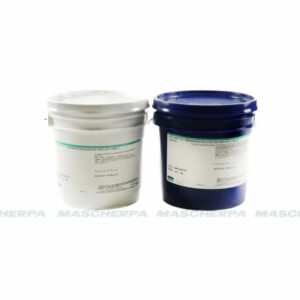
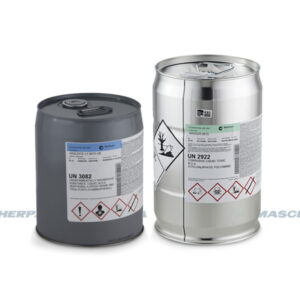
Resins and encapsulants are used to protect electronic devices under the harshest operating conditions, protecting them from chemicals, water or other corrosive elements. Materials are used to “encapsulate” individual components or “submerge” the entire unit.

Resins and encapsulants offer excellent mechanical protection; mechanical protection can be identified in various ways; superior performance is evident in applications involving prolonged exposure or immersion in aggressive chemicals, or those exposed to vibrational, thermal, or physical shocks, for example. The highest level of protection is achieved through the mass of resin surrounding the unit. This is different for each application, however, impregnation and encapsulation resins always provide much more substantial coverage than that offered by conformal coatings.

Why should I use a resin?

  • Electronic circuit resins are particularly useful for applications that withstand harsh operating conditions. These can range from saltwater immersion in marine applications, to chemical immersion such as automotive sensors. More recently, resins have been widely used in the LED industry for luminaire protection or as a thermal management material.
  • Thermally conductive resins can also be used to dissipate heat away from the PCB and components at the unit housing.

Why choose Mascherpa

  • Mascherpa’s range of resins and encapsulants includes: acrylics, silicones, polyurethanes; single-component with hot cross-linking or single-component with room-temperature cross-linking; and also high optical transparency or opalines for lighting applications.

Products
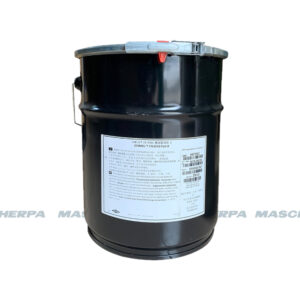
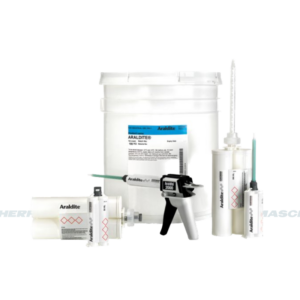
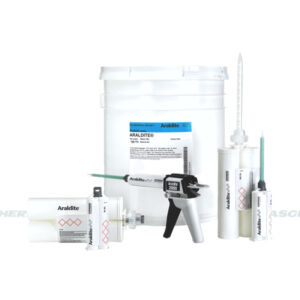
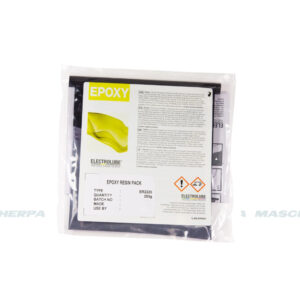
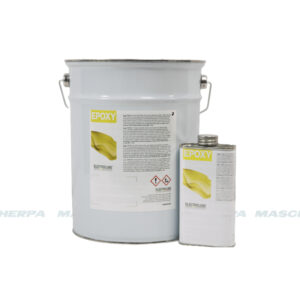
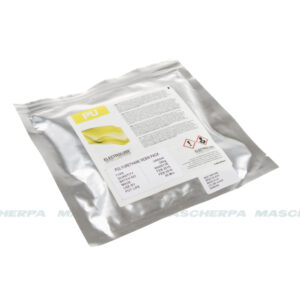
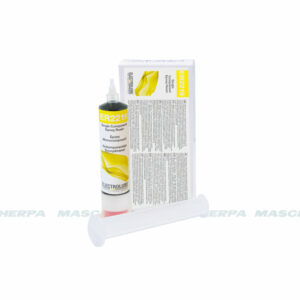
    • Black two-component thermally conductive epoxy resin
    • Designed for applications where thermal management is a critical factor
    • Thermal conductivity of 0.68 W/(m·K)
    • Low exotherm
    • Mixing ratio 1:1 by volume
    • High compressive and tensile strength
    • Excellent adhesion to metals, composites, glass, ceramics and numerous plastics
    • Excellent electrical insulation properties
    • High resistance to water and humidity
    • Protection from electrostatic discharge, vibration, abrasion, thermal shock, moisture, salt water, fungus and aggressive chemicals
    • Solvent-free
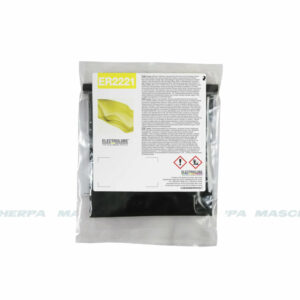
    • Black, flexible two-part epoxy compound
    • Designed to reduce physical stress on components
    • Suitable for low-temperature environments and applications subject to thermal cycling or rapid temperature changes
    • Mixing ratio 1:1 by volume
    • Very low mixed viscosity of 700 cP
    • Good adhesion to metals, composites, glass, ceramics, and many plastics
    • Excellent electrical insulation properties
    • High resistance to water and moisture, even when submerged
    • Protection against electrostatic discharge, vibration, abrasion, thermal shock, salt water, fungus, and harsh chemicals
    • Solvent-free
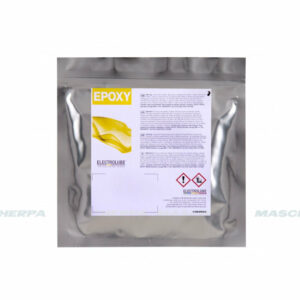
    • Black, rigid two-part epoxy resin
    • PCB potting compound
    • Capable of filling small gaps and cavities
    • Mixing ratio 1:1 by volume
    • Low mixed viscosity of 4,100 cP
    • High compressive and tensile strength
    • Excellent adhesion to metals, composites, glass, ceramics, and many plastics
    • Excellent electrical insulation properties
    • High resistance to water and humidity
    • Protection against electrostatic discharge, vibration, abrasion, thermal shock, salt water, fungus, and harsh chemicals
    • Solvent-free
    • Room temperature or heat-accelerated curing
    • One-part epoxy potting compound
    • Black and rigid
    • Ready to use, requires no mixing
    • Unlimited working life at room temperature
    • Heat cure from 80 °C
    • Low viscosity of 4,800 cP
    • Excellent chemical resistance
    • Excellent electrical insulation
    • High tensile and compressive strength
    • Excellent adhesion to metals, composites, glass, ceramics, and many plastics
    • Water and humidity resistant
    • Solvent-free
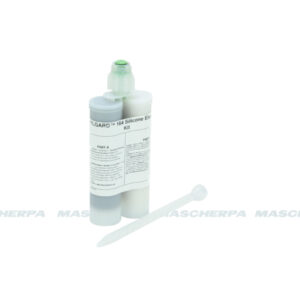
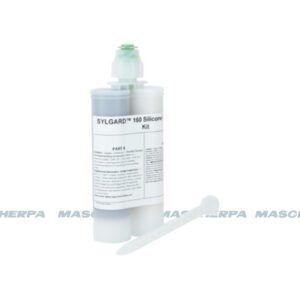
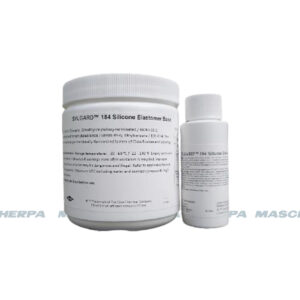
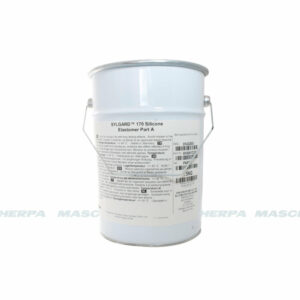
    • Two-part silicone elastomer encapsulant
    • Low thermal vacuum outgassing
    • Physical and electrical stability
    • Wide operating temperature range.
    • Certified to NASA requirements for extreme environment applications.
    • Low viscosity
    • Good thermal conductivity
    • Mixing ratio 1 to 1
    • Polymerization at room temperature
    • Easy to mix and use
    • Good smoothness for fast processing and short cycle times
    • Promotes heat dissipation
    • Polymerization at room temperature
    • Low viscosity - ease of processing
    • Self-adhesive - no primer required
    • Reliable optical performance in difficult conditions
    • Two-component resin for high temperature
    • It cross-links at room temperature but can be accelerated with heat
    • Halogen-free system
    • Good thermal resistance
    • Excellent sliding properties
    • Good thermal conductivity
    • Non-abrasive casting system
    • Good resistance to thermal shock
    • Reduces pressure on components
    • Effectively dissipates heat
    • Avoids delamination problems
    • The rapid polymerization
    • Optimized processing time
    • Allows for the implementation of complex projects
    • No additional dielectric barrier required
    • Allows for quick filling
    • It is suitable for high-throughput production processes.
    • Filling allows easy control of the process
    • Meets certification requirements
    • Two-component thermal conductive encapsulant
    • Suitable for PCB system
    • Protection in harsh environmental and thermal conditions
    • Can be used at room temperature
    • Used in the production of electrical products, PCBs and modules
    • Good adhesion to aluminum
    • Excellent dielectric properties
    • Good smoothness
    • Easy dispensing
    • Good flexibility for easy processing
    • Good adhesion without the use of primer
    • Heat-conductive encapsulant
    • 2 parts
    • Fluid, self-leveling
    • Long processing time at room temperature
    • Temperature-controlled polymerization
    • Increases reliability
    • Fast and versatile polymerization, controlled by temperature
    • Good dielectric properties
    • Moderate thermal conductivity
    • Polymerization at room temperature or moderate heat
    • Easy castability and impregnation
    • Mixing ratio 100:23 by weight
    • Excellent electrical properties
    • Absorbs sudden thermal shock
    • Suitable for a low-stress encapsulant
    • Halogen free
    • Gray fluid encapsulant
    • Room temperature or hot curing
    • Fast and versatile curing process
    • Good dielectric properties
    • Moderate thermal conductivity
  • Medium viscosity Long open time Good dielectric properties High transparency Room temperature cure Heat-accelerable Stable and flexible over a wide temperature range Good flame resistance
    • Mixing ratio 1 to 1
    • Sliding
    • Self-priming
    • No further priming is necessary
    • Fast and versatile polymerization controlled by temperature
    • Fluidity and filling in confined spaces and around complex geometries
    • Good dielectric properties
    • Low viscosity
    • High open time
    • Moderate thermal conductivity
    • Polymerization at room temperature
    • Easy to apply
    • Stable and flexible over a wide temperature range
    • Low viscosity casting resin
    • High possibility of adding filler
    • Encapsulation of electronic and low-voltage components
    • Good resistance to temperature shock
    • Flexible jets
    • Low viscosity
    • Good resistance to thermal shock
    • Good dielectric properties
    • Good mechanical properties
    • Excellent thermal resistance
    • Low viscosity
    • Flexible jets
    • Good resistance to thermal shock
    • Semi-rigid system
    • Good heat resistance
    • Resistant to atmospheric and chemical degradation
    • Good crack resistance
    • Excellent castability and impregnation
    • Mixing ratio 100:25 by weight
    • Elastic thermal shock absorberepentine system
    • Suitable for low-stress encapsulants
    • Excellent electrical properties
    • Flame retardant
    • Uses nonabrasive fillers
    • Used for encapsulation of PCBs.
    • Suitable for effective heat dissipation
    • Provides environmental protection

All products for Resins and encapsulants

Filter products by their attributes: brand, technology, applications…

Discover

Reference categories for Resins and encapsulants

Continue browsing the Mascherpa site

Latest articles on the Resins and encapsulants

Sign up for newsletter to receive upcoming articles

Composite materials for boating: the basis of the 1001VELAcup

Composite materials for boating: the basis of the 1001VELAcup
Incapsulanti Termoconduttivi: Guida per Gestione Termica
Thermally Conductive Encapsulants: Thermal Management Guide

Thermally Conductive Encapsulants: Thermal Management Guide

Araldite 2011 epoxy adhesive for electronic encapsulation

Araldite 2011 epoxy adhesive for electronic encapsulation

PDF

Read PDFs on Resins and encapsulants

  • There are no PDFs yet for:
    Resins and encapsulants
    , ask the expert if you need an SDS or Data Sheet

Industries

Select your product starting with the relevant industry.

Continued

Ask the expert

[activecampaign]

Do you need support?

Ask the expert