Key points of the article
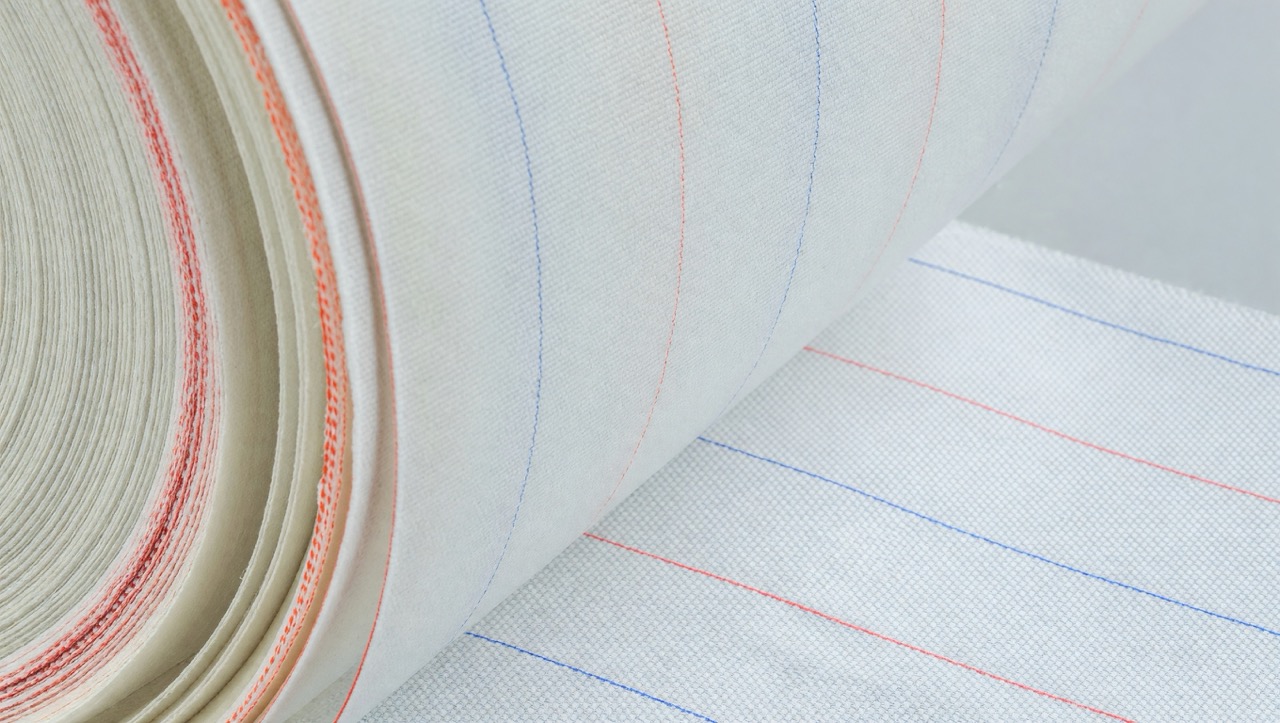
- Peel ply is a technical polyamide or polyester fabric used in the production processes of composite materials.
- In vacuum infusion, autoclave, and lamination processes, it helps control the surface of the laminate.
- Once removed, it leaves a surface suitable for secondary bonding, primers, painting, and surface preparation.
- The DIATEX range includes peel ply in polyamide, polyester, and versions dedicated to aeronautical structural bonding.
- In advanced composites and the aerospace sector, dry peel ply and microporous systems support more critical and controlled applications.
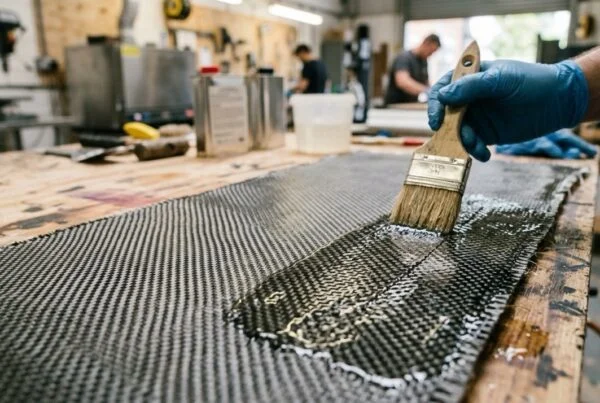
In the composite materials sector, peel ply is used to control the surface finish of the laminate and prepare the component for subsequent processing.
These release fabrics find application in the processes of:
- vacuum infusion;
- autoclave;
- prepregs and lamination;
In all these processes, peel ply contributes to improving adhesion, repeatability, and the quality of the final product.
From industrial applications to structural bonding in aeronautics, several types of peel ply fabric exist today, designed for specific production needs.
Index
What is peel ply and what is it used for?
Peel ply is a technical fabric in polyamide or polyester used in the production processes of composite materials. In the vacuum infusion process, it is positioned between the laminate and the overlying layers of the vacuum bag to create a barrier that prevents the resin from involving materials such as flow media and vacuum film.
Once the production cycle is complete, the peel ply is removed, leaving a controlled and slightly rough surface on the component, ideal for subsequent operations such as:
- secondary bonding,
- primer application,
- painting,
- surface preparation of the laminate.
The correct use of release agents and peel ply also allows for improved repeatability of processes, limits the risk of surface contamination, and controls resin migration during the infusion process.
In the advanced composites sector, especially in aeronautical applications, dry peel ply and microporous systems designed to ensure surfaces compatible with the most critical structural bonding are also used.
The different types of peel ply
Not all peel plies have the same characteristics. The choice of material depends on the type of resin used, the production process, and the final surface required.
The main differences concern:
- fabric material,
- porosity,
- drapability,
- ease of removal,
- compatibility with autoclave or infusion,
- surface preparation for secondary adhesion.
The DIATEX range includes innovative peel plies developed for industrial and aeronautical applications, available in polyamide, polyester, and versions dedicated to aeronautical structural bonding.
Polyamide peel ply
Polyamide peel ply fabrics are primarily used on epoxy and polyester composite systems. They are employed in autoclave, oven, and vacuum infusion processes and can leave smooth or rougher surfaces depending on the fabric construction.
Some versions are designed to facilitate removal, others to improve visibility on carbon or simplify application on vertical surfaces.
Among the main DIATEX polyamide peel plies we find:
| Peel ply type | Material | Characteristics | Applications |
| PA64 | polyamide | Lightweight peel ply fabric with a uniform surface. | Used for painting and secondary bonding |
| PA80 | polyamide | Standard and economical version for epoxy and polyester systems. | Ideal for surface preparation and resin infusion peel ply |
| PA80 AD | polyamide | Self-adhesive peel ply. | Facilitates application on dry fibers and vertical surfaces |
| PA80 MP | polyamide | Microporous peel ply fabric. | Used with prepregs, wet lamination, and thermoplastics. |
| PA80 FLUO | polyamide | High-visibility colored peel ply. | Designed for carbon fiber components. |
| PA85 | polyamide | High-tenacity standard peel ply fabric. | Systems with epoxy, vinyl ester, and polyester resins. |
| PA90 | polyamide | Pink colored peel ply with blue tracers, easily identifiable on carbon laminates. | Carbon laminates. |
| PA95 | polyamide | Release fabric with a rougher surface. | Secondary adhesion and primer. |
| PA95 ST | polyamide | High-tenacity technical version. | Enhanced surface preparation. |
| PA100 | polyamide | Peel ply with easier release compared to standard versions. | Processes requiring easy removal. |
| PA100 ST | polyamide | Heavy duty version easily identifiable on laminates. | Composite laminates. |
| PA100 ST MP | polyamide | Microporous multilayer system for processes with prepregs and advanced lamination. | Processes with prepregs and advanced lamination. |
The range also includes peel ply tapes and solutions available in strips for localized applications.
Polyester peel ply
Polyester peel ply fabrics are mainly used with phenolic, epoxy, and polyester systems. Compared to polyamide versions, they offer different characteristics in terms of surface, drapability, and compatibility with specific production cycles.
Some models are designed to ensure contamination-free surfaces, others to improve resin migration or increase the conformability of the fabric.
Among the main solutions we find:
| Peel ply type | Material | Characteristics | Applications |
| PES50JS | polyester | Siliconized peel ply fabric with easy removal and good resin migration towards drainage. | Infusion processes. |
| PES85 | polyester | Peel ply release fabric free of silicone and contaminants. | Suitable for phenolic resins. |
| PES90 | polyester | Economical version with a rough surface. | Primer and secondary adhesion. |
| PES90 MP | polyester | Multilayer microporous peel ply fabric. | Vacuum and prepreg processes. |
| PES105 | polyester | Polyester fabric with high drapability thanks to the twill construction. | Applications requiring high drapability. |
| DIATEX2000 | polyester | Heat-shrinkable release fabric. | Used in wrapping applications. |
These solutions are used both as peel ply release fabric and as a support for processes where it is necessary to control the resin flow and obtain surfaces compatible with bonding or painting.
Peel ply for aeronautics and structural bonding
In the aerospace sector, peel ply plays an even more critical role. The surfaces obtained must guarantee continuity, absence of contamination, and reliability in secondary structural bonding.
For this reason, there are peel plies for aeronautics specifically designed for high-performance composite materials and certified processes.
DIATEX has developed a range dedicated to aerospace applications, with systems controlled also from the point of view of contamination and FOD traceability.
Among the main solutions in the aeronautical range we find:
| Peel ply type | Characteristics | Applications |
| DIATEX1400EV6 | Aeronautical peel ply fabric resistant to high temperatures. | Designed for painting and bonding in aeronautics. |
| DIATEX1500EV6 MP | Multilayer microporous system. | Structural bonding with resin quantity control. |
| DIATEX2000EV6 | Dry peel ply. | Critical structural bonding. Designed to avoid issues related to prepreg storage. |
| DIATEX1500EV6 | Technical release fabric. | Qualified for aeronautical applications and advanced structural bonding. |
These materials are used in aerospace processes to obtain surfaces compatible with high-performance structural adhesion, especially on carbon fiber components and advanced composite systems.
Peel ply and vacuum infusion in the construction of the Revel Sailing Team’s Alba skiff
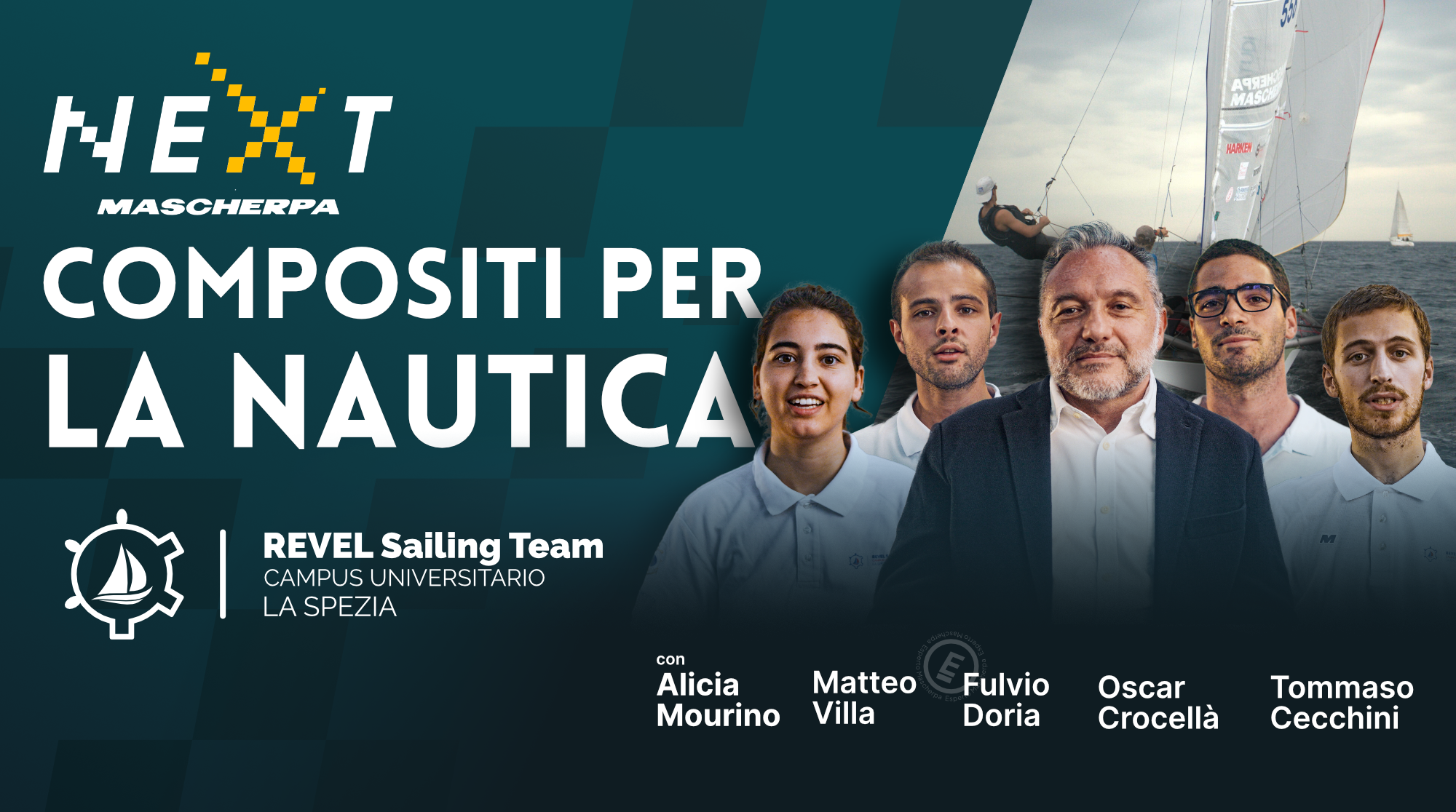
In the project developed together with the Revel Sailing Team for the realization of the skiff Alba, i peel ply provided by Mascherpa were used within the process of vacuum infusion employed for the lamination of composite components.
Peel ply was used to manage the infusion and bonding processes, thus contributing to both process control and the preparation of surfaces intended for subsequent bonding.
For the infusion process, several Diatex consumables were used, including:
- peel ply;
- vacuum film;
- sealants;
- resin flow management systems.
In particular, PA80 peel ply was used to improve surface preparation and promote adhesion between layers during composite processing.
To support the infusion, drainage systems such as the DIADRAIN 100MM FLAT RESIN CHANNEL e sacks for the vacuum PO120, were also used with the aim of optimizing distribution of the resin and reducing the risk of defects in the lamination. This allowed the team to increase control over the production process and improve the final quality of the components produced.
The collaboration between Mascherpa and Revel Sailing Team represents a concrete application of composite materials in the high-performance nautical sector, where consumables, infusion management, and surface preparation directly affect the reliability and performance of the final skiff.

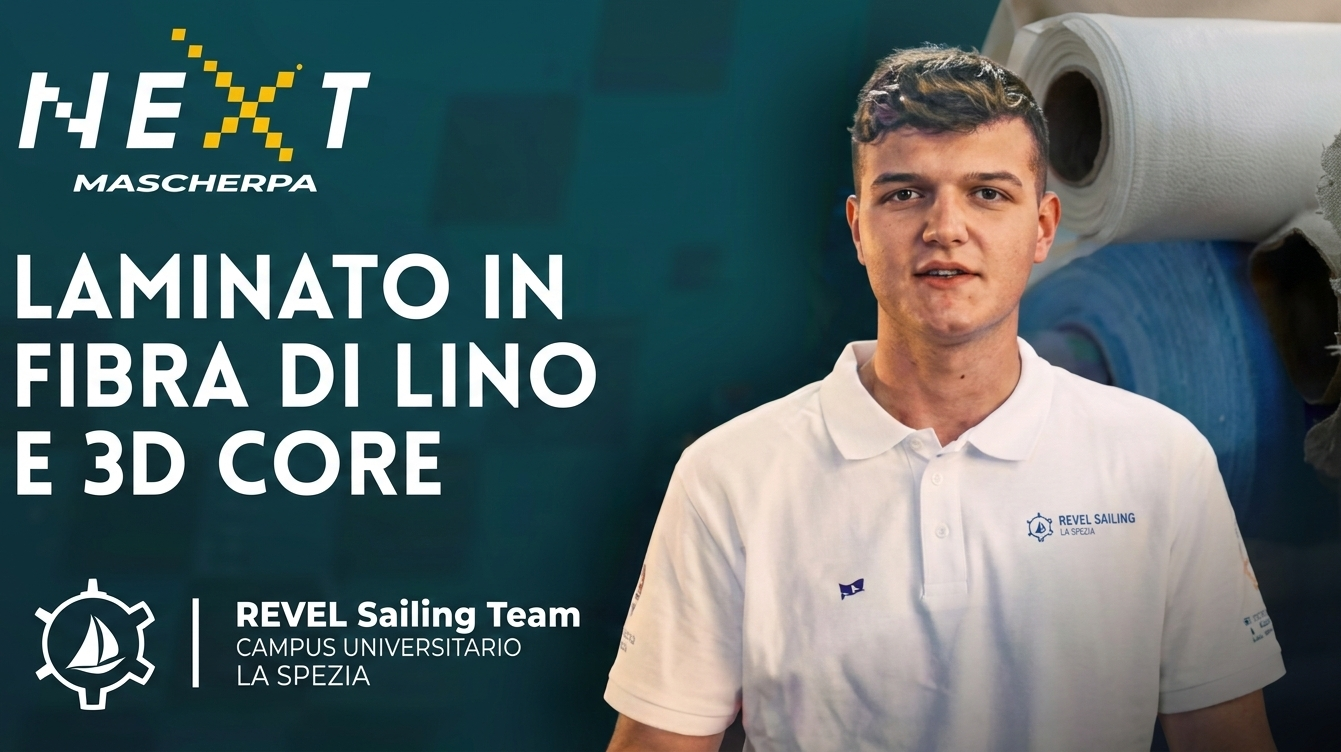
The peel plies played a fundamental role in achieving better laminate adhesion also in the construction of Kraken, a single-skin built with the support of Mascherpa for the Su Mouth Challenge competition.
Peel ply and auxiliary materials for composites
The choice of the correct peel ply fabric directly influences the quality of the laminate, surface preparation, and the reliability of secondary bonding.
Polyamide, polyester, microporous versions, or dry peel ply respond to different production needs, especially in sectors where processes and performance must be highly controlled, such as aerospace and advanced structural composites.
To learn more about the range of DIATEX dedicated to auxiliary materials for composites, peel ply by air force and solutions for vacuum infusion , and structural bonding, you can contact contact the Mascherpa experts.